
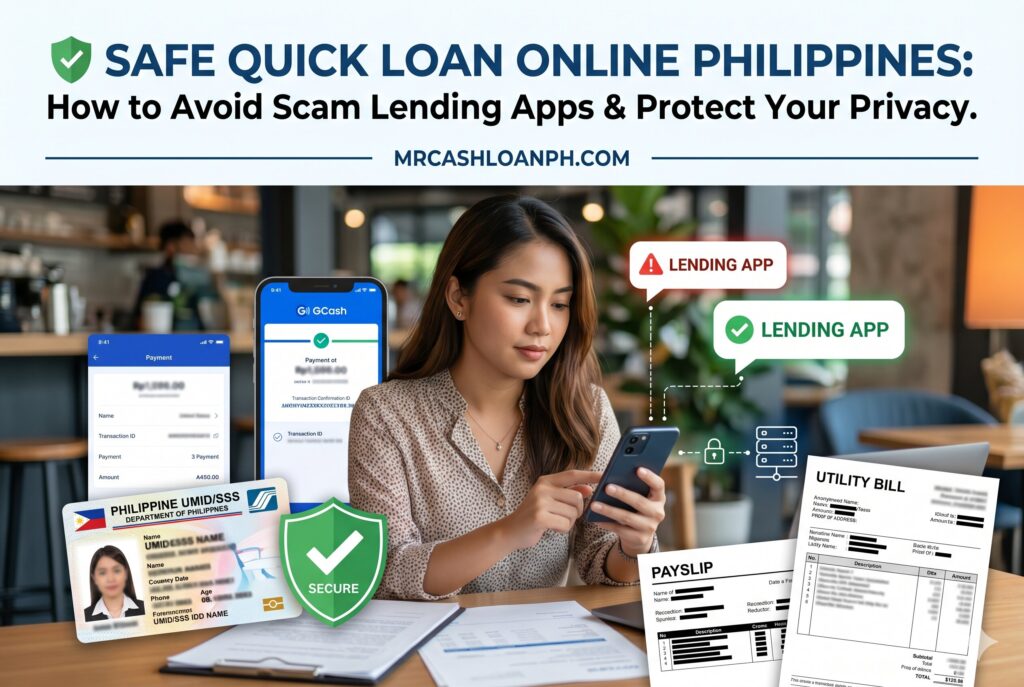
Online lending has become part of daily financial life in the Philippines. Many borrowers now rely on digital lenders for emergency expenses, salary gaps, medical bills, school payments, and short-term cash flow needs. But alongside legitimate fintech companies, fake lending apps and abusive collectors have also increased.
Some borrowers only realize they downloaded a dangerous app after receiving harassment messages, threats sent to their contacts, or unauthorized access to personal data. Others become trapped in hidden charges, fake approvals, or impossible repayment demands.
If you are searching for a safe quick loan online Philippines option, the most important step is not fast approval – it is verifying whether the lender operates legally, protects borrower data, and follows Philippine lending regulations.
This article explains how to identify legitimate online lenders, avoid scam loan apps, protect your privacy, and respond properly if harassment or abuse occurs.
Why Loan App Scams Continue to Grow in the Philippines 📱
The Philippine digital lending market expanded rapidly because many Filipinos now use:
- E-wallets
- Digital banks
- Mobile verification systems
- Online salary transfers
- App-based financial services
This convenience also created opportunities for scam lenders pretending to offer:
- Instant approval loans
- Guaranteed approval
- No verification cash loans
- “Too easy” lending promises
Many fake lenders target:
- First-time borrowers
- Freelancers with irregular income
- Gig workers
- Users with poor credit history
- People needing urgent cash
Scam operators often exploit emotional pressure. Borrowers facing emergencies may skip verification checks because they urgently need funds.
That is why emotional reassurance and practical verification matter more than aggressive loan marketing.
What Makes an Online Loan App Legitimate?
Not every digital lender is a scam. Many licensed financing and lending companies in the Philippines operate legally and use structured borrower verification systems.
A legitimate lender typically demonstrates:
Clear SEC Registration Information
Legal lenders usually display:
- SEC registration number
- Company name
- Lending license details
- Official contact channels
- Privacy policy
- Terms and conditions
The Philippines requires lending and financing companies to register properly before operating lending activities.
Apps hiding ownership information should immediately raise concern.
Transparent Interest and Repayment Terms
Legitimate lenders explain:
- Monthly interest rates
- Processing fees
- Late payment penalties
- Loan duration
- Repayment schedules
If repayment terms appear intentionally vague, borrowers should avoid the app immediately.
This becomes especially important when comparing platforms advertising:
- quick loan online Philippines
- same day cash loan online
- instant approval offers
Fast approval does not excuse unclear repayment obligations.
Reasonable Verification Procedures
Real lenders usually conduct KYC (Know Your Customer) checks such as:
- Valid government ID submission
- Selfie verification
- Mobile number validation
- Income review
- Bank or e-wallet verification
Some borrowers mistakenly believe “zero verification” means safer approval. In reality, responsible lenders assess risk before releasing funds.
Apps approving everyone instantly without identity checks may be operating illegally.
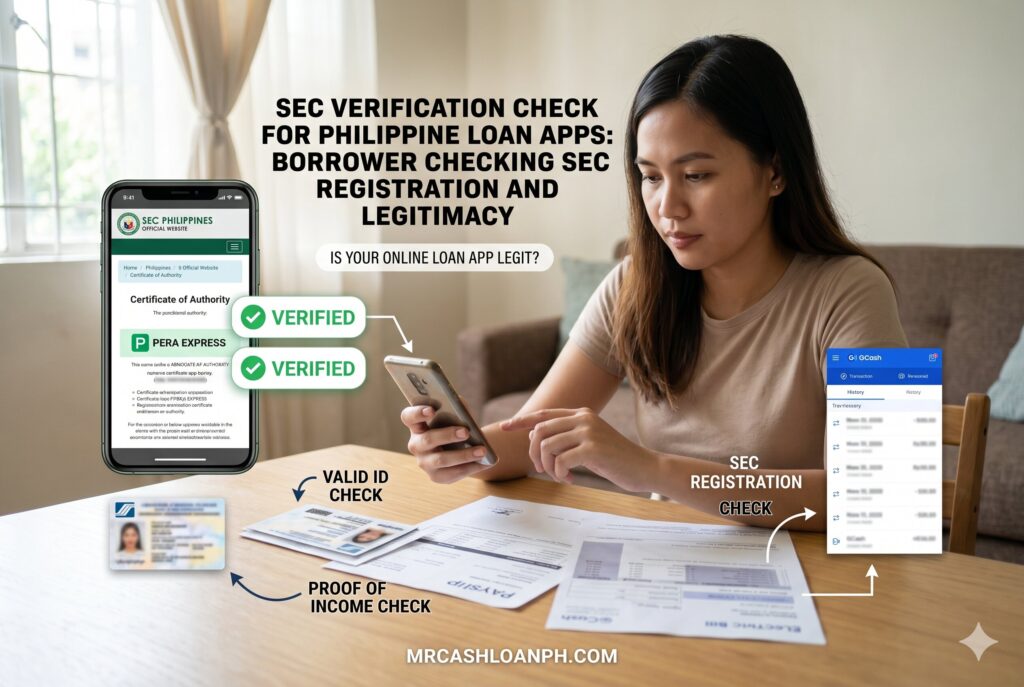
Borrower checking SEC registration and legitimacy of online loan app in the Philippines
🚨 Major Warning Signs of Fake Lending Apps
Many borrowers only notice suspicious behavior after installation. Recognizing early warning signs can prevent financial and privacy damage.
The App Requests Excessive Permissions
One of the biggest red flags involves intrusive phone permissions.
Suspicious apps may request access to:
- Entire contact lists
- Photo galleries
- SMS inboxes
- Call logs
- Device storage
Legitimate lenders may request limited permissions necessary for identity verification, but excessive access creates privacy risks.
Some abusive lenders allegedly use contact information to:
- Shame borrowers publicly
- Send harassment messages
- Pressure family members
- Threaten coworkers
Upfront Payment Before Loan Release
Advance fee scams remain common.
Fraudulent lenders may demand:
- “Insurance fees”
- Verification payments
- Processing deposits
- Release fees
before disbursing any loan.
Legitimate lenders normally deduct approved fees transparently from loan proceeds instead of requiring suspicious advance transfers.
Threats and Harassment Before Due Dates
Fake collection agents sometimes:
- Send threatening texts
- Use edited photos
- Impersonate legal authorities
- Contact employers aggressively
- Threaten arrest
Legitimate collection practices follow legal standards. Debt alone does not automatically result in criminal liability.
Borrowers should be cautious when lenders use fear tactics immediately after a missed payment.
No Real Customer Support
Scam lenders often lack:
- Verified email support
- Official office address
- Transparent business registration
- Responsive customer service
If support only exists through anonymous messaging accounts, borrowers should reconsider.
Can Loan Apps Access Contacts Illegally?
This is one of the most searched concerns among Filipino borrowers.
What Borrowers Need to Know About App Permissions
When installing a lending app, users sometimes unknowingly grant broad access permissions.
These permissions may allow apps to view:
- Contacts
- Messages
- Media files
- Phone activity
While permissions technically require user approval, abusive collection practices can still violate privacy and consumer protection principles.
Borrowers should:
- Review permissions before installation
- Deny unnecessary access
- Remove suspicious apps immediately
- Avoid apps demanding complete phone access
Why Contact Harassment Became a Major Issue
Some borrowers reported situations where collectors:
- Messaged relatives
- Sent payment reminders to coworkers
- Shared borrower identities publicly
- Used humiliation tactics
Philippine regulators have issued warnings against abusive digital collection practices connected to online lending operations.
This is why many borrowers now prioritize safety over speed when searching for the best quick loan apps online Philippines.
How to Verify if a Loan App Is Legal ✔️
A legal verification process only takes a few minutes and can prevent major problems later.
Check SEC Registration Carefully
Before applying:
- Verify the company name
- Check whether the lender operates legally
- Compare registration details with official disclosures inside the app
Be careful:
Some fake apps use names similar to real companies.
Review the App Store Reputation
Do not rely only on star ratings.
Read reviews carefully for patterns involving:
- Harassment
- Hidden fees
- Threats
- Fake approvals
- Delayed releases
- Collection abuse
Repeated complaints about privacy violations deserve serious attention.
Examine the Privacy Policy
A legitimate lender usually explains:
- What borrower data is collected
- How information is used
- Data retention practices
- Security protections
If policies appear copied, vague, or incomplete, borrowers should avoid the platform.
Analyze the Loan Offer Realistically
Offers promising:
- Guaranteed approval
- No repayment consequences
- Unlimited loan amounts
- “Instant cash with no checks”
often signal elevated risk.
Responsible lenders still evaluate repayment capacity.
Why SEC Registration Alone Is Not Enough
Many borrowers assume SEC registration automatically guarantees safe behavior.
That is not always true.
A registered company can still receive complaints involving:
- Aggressive collections
- Poor disclosure practices
- Data misuse allegations
- Operational problems
SEC registration is an important starting point, but borrowers should also evaluate:
- Reputation
- Transparency
- Collection practices
- Security policies
- Complaint history
Safe borrowing requires layered verification.
Real Borrower Situations That Raise Red Flags ⚠️
Harassment Immediately After Missing a Payment
Some borrowers experience aggressive messages only days after due dates.
Common warning signs include:
- Threats of public exposure
- Fake legal notices
- Group chats targeting relatives
- Edited photos
- Repeated intimidation calls
Legitimate collection teams generally follow structured communication processes instead of humiliation tactics.
Apps That Keep Asking for More Fees
Another common pattern involves repeated payment requests:
- Release fee
- Reprocessing fee
- Credit upgrade payment
yet no loan is ever released.
This strongly suggests fraudulent activity.
Fake Collection Agents Contacting Family Members
Borrowers sometimes receive messages from individuals pretending to be:
- Attorneys
- Cybercrime officers
- Court personnel
- Police representatives
These intimidation methods are commonly associated with abusive operations.
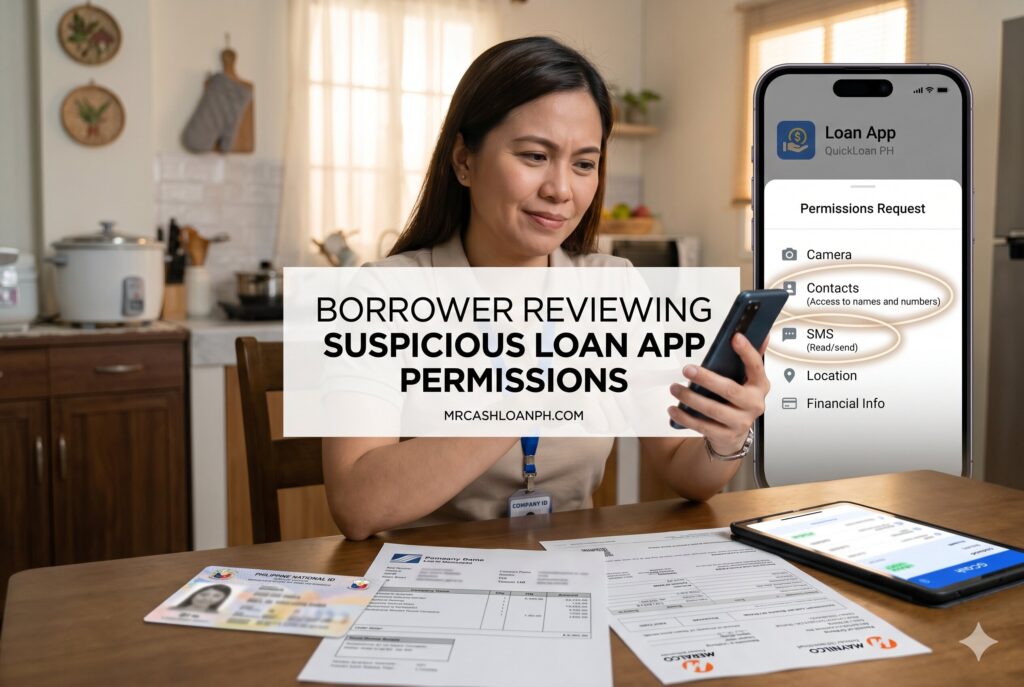
Filipino borrower checking dangerous app permissions before applying for online loan
How Legitimate Digital Lenders Usually Operate
Responsible lenders follow operational processes that reduce fraud and protect both lenders and borrowers.
Identity Verification and KYC Procedures
Most legitimate apps perform:
- Face matching
- ID authenticity review
- Mobile verification
- Fraud detection analysis
- Duplicate account screening
These checks help prevent:
- Identity theft
- Synthetic accounts
- Fraudulent borrowing
Borrowers should not automatically fear reasonable verification requests.
Risk Assessment Before Approval
Legal lenders usually analyze:
- Income consistency
- Existing obligations
- Employment patterns
- Banking activity
- Repayment history
Freelancers and gig workers may undergo different assessments compared with salaried employees.
For example:
- Employed applicants often submit payslips
- Freelancers may provide bank inflow records
- Online sellers may use e-wallet transaction history
- Delivery riders may show platform earnings screenshots
Responsible underwriting differs from fake “auto-approval” systems.
Data Security Expectations
Legitimate fintech companies increasingly implement:
- Encrypted borrower data systems
- Fraud monitoring
- Device verification
- OTP security
- Controlled account access
Borrowers should prioritize platforms with transparent security practices.
Steps to Stay Safe Before Applying for an Online Loan 🔒
1. Research the Lender First
Before downloading any app:
- Search borrower feedback
- Review complaints
- Check operational history
- Verify legal identity
Never rely only on advertisements appearing on social media.
2. Read the Full Repayment Structure
Many borrowers focus only on approval speed.
Instead, review:
- Interest computation
- Due dates
- Late fees
- Total repayment amount
This is especially important for borrowers researching:
- online loan interest and repayment explained
- short-term lending costs
- rollover risks
3. Protect Your Device Permissions
Only allow permissions necessary for:
- Camera access
- Identity verification
- Basic authentication
Avoid apps demanding unrelated phone access.
4. Avoid Emotional Borrowing Decisions
Urgency increases vulnerability.
Borrowers facing emergencies should pause long enough to:
- Verify legitimacy
- Compare lenders
- Read repayment disclosures
- Confirm security practices
Scam operators often pressure users into instant decisions.
How Borrowers Can Report Harassment or Suspicious Lending Activity
Borrowers experiencing abuse should document:
- Screenshots
- Messages
- Caller information
- Payment requests
- Threats
Possible reporting channels may involve:
- Consumer protection authorities
- Cybercrime-related complaint units
- Regulatory agencies
- Data privacy complaint systems
Keeping organized records strengthens complaint credibility.
Important Reminder About Debt and Threats
Borrowers should remember:
- Debt collection has legal limits
- Harassment is not automatically lawful
- Public shaming tactics may violate regulations
- Threats using fake legal authority are highly suspicious
Fear often prevents borrowers from seeking help early.
Are SEC Registered Apps Safer?
Generally, SEC-registered lenders offer better accountability compared with anonymous apps.
However, borrowers should still evaluate:
- User complaints
- Transparency
- Privacy behavior
- Collection practices
- Customer service quality
A safer borrowing experience usually combines:
- Regulatory registration
- Responsible operations
- Clear disclosures
- Respectful collections
- Secure borrower handling
No single factor guarantees safety.
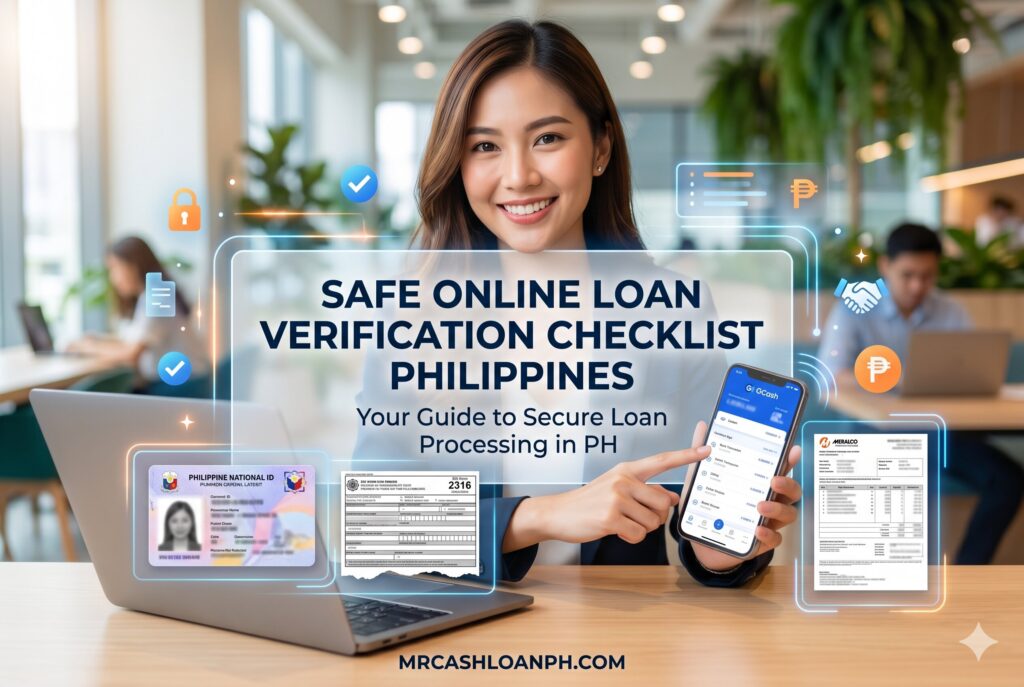
Checklist for verifying safe and legitimate online lending apps in the Philippines
Quick Safety Checklist Before Applying 📋
Here is a fast screening checklist borrowers can use before submitting applications:
| Safety Check | Why It Matters |
|---|---|
| Verify SEC registration | Confirms legal lending authority |
| Read borrower reviews | Identifies harassment patterns |
| Check app permissions | Prevents privacy abuse |
| Review repayment disclosures | Avoids hidden charges |
| Confirm customer support channels | Helps resolve issues later |
| Avoid advance fee requests | Prevents release scams |
| Review privacy policy | Protects borrower data |
| Watch for pressure tactics | Scam lenders rush decisions |
Frequently Asked Questions
How do I know if a loan app is legal?
Check whether the lender displays legitimate registration details, transparent company information, repayment disclosures, and proper customer support. Borrowers should also review app permissions, privacy policies, and complaint patterns before applying.
Can loan apps access contacts illegally?
Apps can only access permissions granted by users during installation. However, abusive use of borrower contact data may still raise serious privacy and consumer protection concerns. Avoid apps demanding unnecessary permissions.
What are warning signs of fake lenders?
Common warning signs include:
- Advance payment demands
- Harassment threats
- No real company information
- Guaranteed approvals
- Excessive phone permissions
- Fake collection notices
- Unclear repayment terms
How can borrowers report harassment?
Borrowers should preserve screenshots, payment records, messages, and caller details before filing complaints with appropriate authorities or cybercrime-related reporting channels.
Are SEC registered apps safer?
SEC registration improves accountability, but borrowers should still review privacy practices, borrower complaints, and collection behavior before applying.
Why Safe Borrowing Matters More Than Fast Approval
Many borrowers searching for:
- quick loan online Philippines
- same day cash loan online
- emergency lending apps
focus entirely on speed.
But the real long-term risk often comes from:
- Privacy abuse
- Harassment
- Hidden costs
- Data misuse
- Fake collection tactics
A slower but verified lender is usually safer than an instant approval platform with suspicious behavior.
Responsible borrowing starts with careful lender selection.
Conclusion
Choosing a safe online loan provider in the Philippines requires more than checking approval speed or download counts. Borrowers should prioritize legal verification, transparent repayment disclosures, responsible data handling, and respectful collection practices before submitting any application.
Scam lending apps often rely on urgency, fear, and borrower desperation. Taking time to review app permissions, verify company legitimacy, and read borrower feedback can prevent privacy abuse, harassment, and financial damage later.
Whether applying for the best quick loan apps online Philippines or researching a same day cash loan online, borrowers should approach digital lending carefully, protect personal information, and borrow only within realistic repayment capacity.
Safe borrowing is not only about receiving funds quickly – it is about protecting your identity, privacy, financial stability, and peace of mind.
Last Updated on September 12, 2026 by David Vargas
